Robiola di Roccaverano: The Cheese That Comes From Your Doorstep
There is a soft, fresh goat's cheese made in a cluster of villages in the Alta Langa — Roccaverano, Mombaldone, Olmo Gentile, a handful of others — that has been produced here, in more or less the same way, for centuries. It is called Robiola di Roccaverano, and it holds the distinction of being the only Italian goat's cheese with DOP certification.
Villa Asti sits inside the production zone. The cheese is made, quite literally, at the farms on the hills you can see from the terrace.
What it tastes like
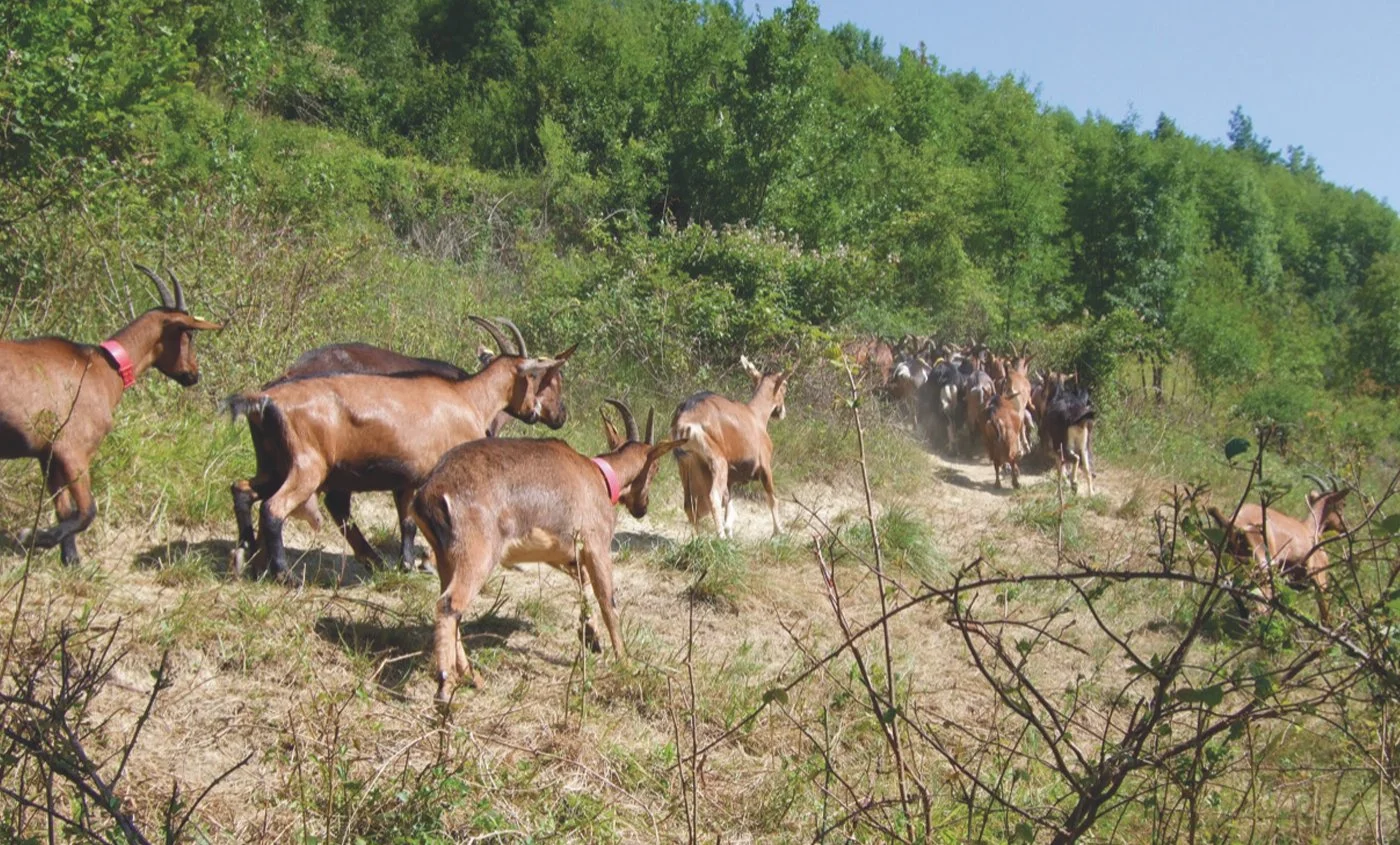
Fresh Robiola di Roccaverano is mild, clean, and slightly acidic — the kind of cheese that tastes of the milk it came from, which tastes of the pasture, which tastes of spring. The goats here are the Roccaverano breed, indigenous to this part of the Alta Langa, and they graze on hillside meadows that run down toward the Ligurian border.
As it ages — even just a few days — the flavour deepens. A week-old Robiola develops a wrinkled rind and a more pronounced, faintly peppery character. A few weeks more and it is firm, complex, and quite different from what it was.
How the locals eat it
Fresh: with a drizzle of local honey and a glass of Moscato d'Asti, which is one of those pairings that seems obvious once you've tried it and impossible to improve on. Or simply with good bread and a glass of Barbera d'Asti.
Aged: with mostarda — the Italian fruit preserve with mustard, which is more assertive and more interesting than its description suggests — or melted over polenta in the way the older generation still does in the farmhouses around here.
Where to find it
The best Robiola comes from the farms directly. The Tuesday market in Santo Stefano Belbo and the Saturday market in Acqui Terme both have producers. The Consorzio di Tutela del Roccaverano DOP runs a programme called ROB-IN, which brings together the cheese with local wines, honey, hazelnuts and cured meats — look out for tastings paired with Alta Langa DOCG sparkling wine throughout the spring.
We keep Robiola di Roccaverano at Villa Asti. It seemed unreasonable not to.